General Physical Preparedness (GPP) refers to the ability of the body to comfortably tackle daily life or emergency situations that require physical exertion with ease and utmost efficiency. GPP is essential for everyone, regardless of their fitness goals, as it forms the foundation of overall health and fitness. The five components of GPP are Cardiorespiratory Endurance, Muscular Endurance, Musculoskeletal Strength, Flexibility, and Ideal Body Composition.
1. Cardiorespiratory Endurance
Cardiorespiratory endurance is the ability of the heart and lungs to supply oxygenated blood to the working skeletal muscles for a prolonged period without getting fatigued. This endurance is crucial for overall cardiovascular health and is a key indicator of physical fitness. Regular activities that enhance cardiorespiratory endurance include:

- Jogging and Running: These are classic exercises that improve heart and lung capacity while burning calories.
- Skipping: A fun and effective way to boost endurance and coordination.
- Jumping Jacks: A full-body workout that increases heart rate quickly.
- Dancing: A dynamic and enjoyable way to improve cardiovascular fitness.
- High Knees: This exercise strengthens the legs and improves cardiovascular endurance.
- Climbing: Whether it’s stairs or hills, climbing is a powerful way to enhance heart and lung function.
- Walking: An accessible and low-impact exercise suitable for all fitness levels.
2. Muscular Endurance
Muscular endurance refers to the ability of skeletal muscles to contract sub-maximally for an extended period without fatigue. It is task-specific, meaning improvement in one activity does not necessarily translate to another. For instance, cycling will improve muscular endurance for cycling, not necessarily for rowing. To enhance muscular endurance, incorporate:

- Push-Ups: Effective for building endurance in the upper body.
- Planks: Strengthens the core and improves overall muscular endurance.
- Cycling: Targets the legs and builds lower body endurance.
- Bodyweight Squats: Focuses on the legs and improves endurance.
- Resistance Band Exercises: Versatile tools that enhance muscular endurance across different muscle groups.
3. Musculoskeletal Strength
Musculoskeletal strength is the combined strength of muscles, bones, tendons, and ligaments. Understanding muscular strength—defined as the amount of force a muscle can generate in a single maximal contraction—is crucial. Enhancing musculoskeletal strength involves:
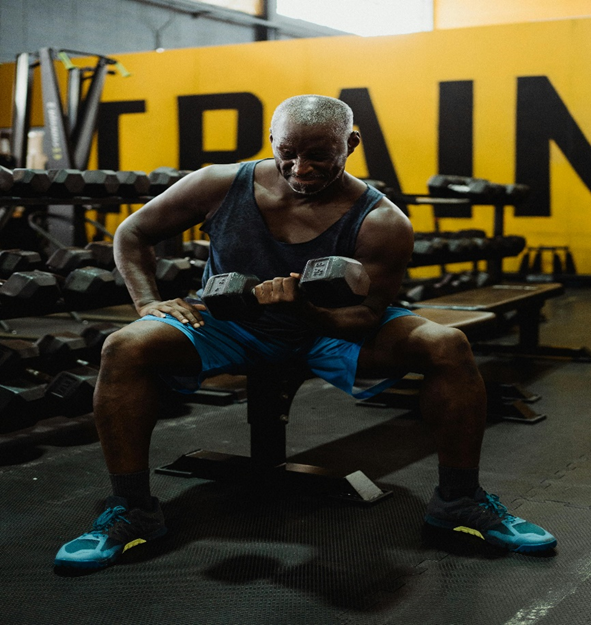
- Weightlifting: Using free weights or machines to target various muscle groups.
- Bodyweight Exercises: Push-ups, pull-ups, and squats help build strength without equipment.
- Resistance Training: Incorporating resistance bands or bodyweight to improve strength.
- Functional Movements: Exercises like deadlifts and squats that mimic real-life movements to improve overall strength.
4. Flexibility
Flexibility is the ability of soft tissues, such as tendons and ligaments, to lengthen passively through the full range of motion. It is crucial for preventing injuries and maintaining joint health. To improve flexibility, consider:

- Static Passive Stretching: Holding a stretch position for 15-60 seconds to enhance muscle length.
- Dynamic Stretching: Involves moving parts of your body and gradually increasing reach, speed of movement, or both.
- Yoga: A comprehensive practice that enhances flexibility, balance, and strength.
- Foam Rolling: Helps in releasing muscle tightness and improving flexibility.
5. Ideal Body Composition
Ideal body composition is the optimal ratio between lean body mass (muscles, organs, essential body fluids, essential body fats, and bones) and body fat. Achieving and maintaining an ideal body composition involves:

- Balanced Diet: Eating a variety of nutrient-dense foods to support muscle growth and fat loss.
- Regular Exercise: Combining aerobic exercises with strength training to manage body composition.
- Hydration: Ensuring adequate fluid intake to support metabolic functions.
- Consistent Monitoring: Using tools like BMI, body fat percentage measurements, and regular health check-ups.
Conclusion
In conclusion, General Physical Preparedness is a comprehensive approach to fitness that ensures your body is capable of handling various physical demands efficiently. By focusing on cardiorespiratory endurance, muscular endurance, musculoskeletal strength, flexibility, and maintaining an ideal body composition, you can achieve a well-rounded fitness level that supports both daily activities and emergency situations. Therefore, incorporate these components into your fitness routine to build a strong, flexible, and resilient body.