Introduction
Think you need expensive supplements, elite gym memberships, or trendy diets to Stay Fit? You don’t. Staying healthy doesn’t require extremes—just a few smart, consistent habits done well over time. In a world full of noise and quick fixes, this guide strips it back to the essentials: simple, science-backed strategies you can use anytime, anywhere. Whether you’re a beginner or getting back on track, these tips will show you how to Stay Fit without equipment — building real habits that last, without burning out or breaking the bank.
If you’re committed to your fitness goals, and you’re willing to learn and apply the right information, your results won’t just add up — they’ll compound. Progress isn’t about perfection; it’s about consistency, patience, and smarter choices each day.
1. Walk More (Yes, It Actually Works)
Aiming for 8,000–10,000 steps a day is one of the simplest ways to improve your health. Walking utilizes the aerobic energy system, meaning your body burns fat efficiently using oxygen for energy. It’s low-impact, sustainable, and often underrated. Incorporate walking into your daily routine: take calls while walking, skip the elevator, or get off the bus a stop early. These small changes add up.

What happens over time (30+ minutes)?
- Initial 10–20 minutes: Your body primarily uses glucose (from muscle glycogen or blood sugar) for energy.
- After ~20–30 minutes (especially if fasted or glycogen is low): Your body starts relying more on fats as fuel, a process known as “fat oxidation.”
| Time | Energy Source | Energy System |
|---|---|---|
| 0–20 min | Glucose (Carbs) | Aerobic |
| 20+ min | Fats + Glucose | Aerobic |
Energy Equations:
- From Carbohydrates (Glucose):
C₆H₁₂O₆ + 6O₂ → 6CO₂ + 6H₂O + 38 ATP - From Fats (Palmitic Acid – a common fatty acid):
C₁₆H₃₂O₂ + 23O₂ → 16CO₂ + 16H₂O + 129 ATP
2. Prioritize Protein
Protein isn’t just for building muscle—it plays a crucial role in various bodily functions: Healthline
- Hormone Production: Hormones are chemicals that help control many important processes in your body, such as how your body grows, how it uses energy, and even how you feel emotionally. Proteins are used to make these hormones. For example, insulin (a hormone that helps control blood sugar levels) and thyroid hormones (which control metabolism) are both made from proteins.
- Enzyme Production: Enzymes are special proteins that act like little helpers in your body. They speed up chemical reactions, such as breaking down food for digestion or helping your body make energy. Without enzymes, your body wouldn’t be able to digest food or turn it into energy, which is needed for everything from moving your muscles to thinking.
- Immunoglobulin Production: Immunoglobulins are a type of protein also known as antibodies. These antibodies are like tiny soldiers in your body that help protect you from harmful invaders like bacteria and viruses. They play a key role in keeping your immune system strong and able to fight infections.
Additionally, protein has a higher thermic effect of food (TEF) compared to carbohydrates and fats, meaning your body burns more calories digesting it. Adequate protein intake supports muscle repair and growth, especially when combined with strength training, which can boost metabolism and aid in weight management. Muscle filaments like actin and myosin, responsible for movement, are composed of proteins.
🥦 Best Protein Sources and the Difference Between Complete vs Incomplete Protein
Are you trying to eat healthier or build muscle but confused about where to get your protein from? In this beginner-friendly guide, you’ll learn about the best protein sources — both vegetarian and non-vegetarian — and understand the key difference between complete and incomplete proteins.
🍽️ Best Protein Sources for daily diet to Stay Fit
Here are some of the top protein-rich foods you can include in your daily meals.
🥣 1. Lentils (Dal) – A Plant-Based Protein Powerhouse
- High in protein and fiber
- Great for vegetarians
- Can be used in dals, soups, and sprouted salads
- 1 cup cooked lentils ≈ 18g protein
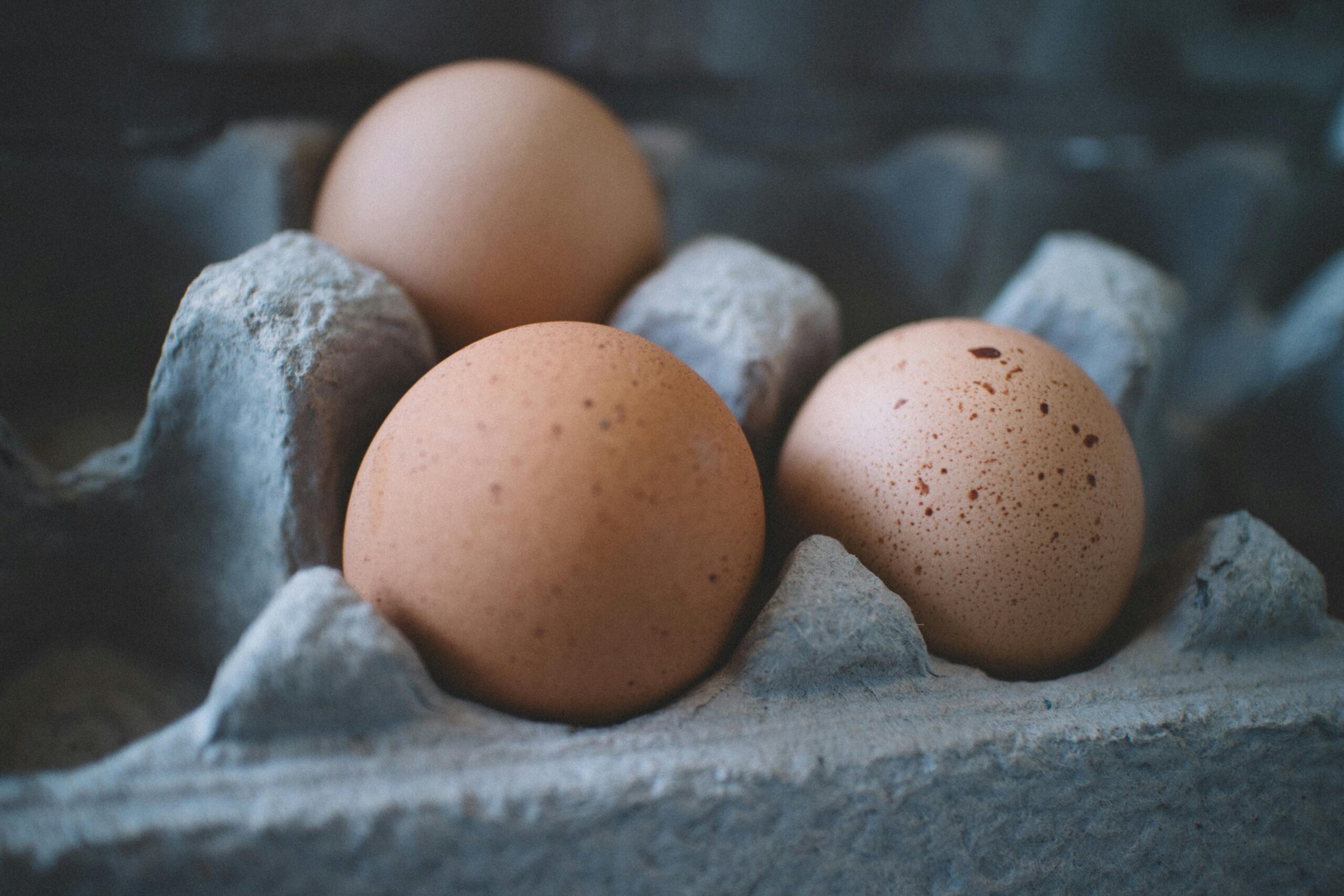
🍳 2. Eggs – High-Quality, Complete Protein
- Contains all essential amino acids
- Easy to cook in various ways
- Also rich in vitamins like B12
- 1 large egg ≈ 6.5g protein
🧀 3. Paneer (Cottage Cheese) – Muscle-Building Vegetarian Option
- High in casein protein (slow-digesting)
- Good for muscle repair and bone health
- 100g paneer ≈ 18g protein
🍗 4. Chicken – Lean Animal Protein
- High protein and low fat
- Helps in muscle growth and maintenance
- 100g cooked chicken ≈ 25g protein
🥡 5. Tofu – Vegan Complete Protein
- Made from soy, a complete plant protein
- Versatile and absorbs flavors well
- 100g tofu ≈ 10g protein
🥤 6. Whey Protein – Fast and Effective
- Dairy-based protein powder
- Easy to digest and quick to absorb
- Great for post-workout shakes
- 1 scoop (30g) ≈ 20–25g protein
✅ Complete Protein vs ⚠️ Incomplete Protein: What’s the Difference?
Understanding types of protein helps you make smarter food choices.
✅ What Is a Complete Protein?
A complete protein contains all 9 essential amino acids — these are the building blocks your body can’t make on its own.
Examples of Complete Protein Foods:
- Eggs
- Chicken
- Milk, Paneer, Curd
- Fish
- Tofu and Soy Products
- Whey Protein
Why It Matters: These proteins are ideal for muscle-building, recovery, and overall body repair.
⚠️ What Is an Incomplete Protein?
Incomplete proteins lack one or more of the 9 essential amino acids. Most plant-based foods fall into this category.
Examples:
- Lentils
- Chickpeas
- Grains like rice, wheat, oats
- Nuts and seeds
But don’t worry — there’s a way around it!
🧩 How to Combine Plant Foods for Complete Protein
By combining two or more plant-based foods, you can get a full amino acid profile — even if they’re incomplete individually.
Powerful Food Combinations:
- Dal + Rice
- Rajma + Roti
- Chana + Brown Bread
- Hummus + Whole Wheat Pita
- Peanut Butter + Whole Grain Toast
This is especially helpful for vegetarians and vegans who want to ensure they’re getting enough quality protein.
Summary Table
| Source | Type | Protein (per 100g approx.) | Complete Protein? | Best Time to Eat |
|---|---|---|---|---|
| Lentils | Plant-based | 9g | ❌ (pair with grains) | Lunch/Dinner |
| Eggs | Animal-based | 6g (1 egg) | ✅ | Breakfast/Post-workout |
| Paneer | Dairy-based | 18g | ✅ | Lunch/Dinner/Snack |
| Tofu | Plant-based | 10g | ✅ | Any time, veg option |
| Chicken | Animal-based | 31g | ✅ | Lunch/Dinner/Post-workout |
| Whey | Supplement | 20–25g (per scoop) | ✅ | Post-workout/Quick snack |
3. Ditch Sugary Drinks
Sodas, sweetened teas, and flavored drinks are packed with added sugars, leading to empty calories. They spike blood sugar levels and contribute to fat gain and insulin resistance. Overconsumption of added sugars can lead to fat cells becoming less sensitive to insulin, promoting visceral fat accumulation and increasing the risk of type 2 diabetes and heart disease. PMC
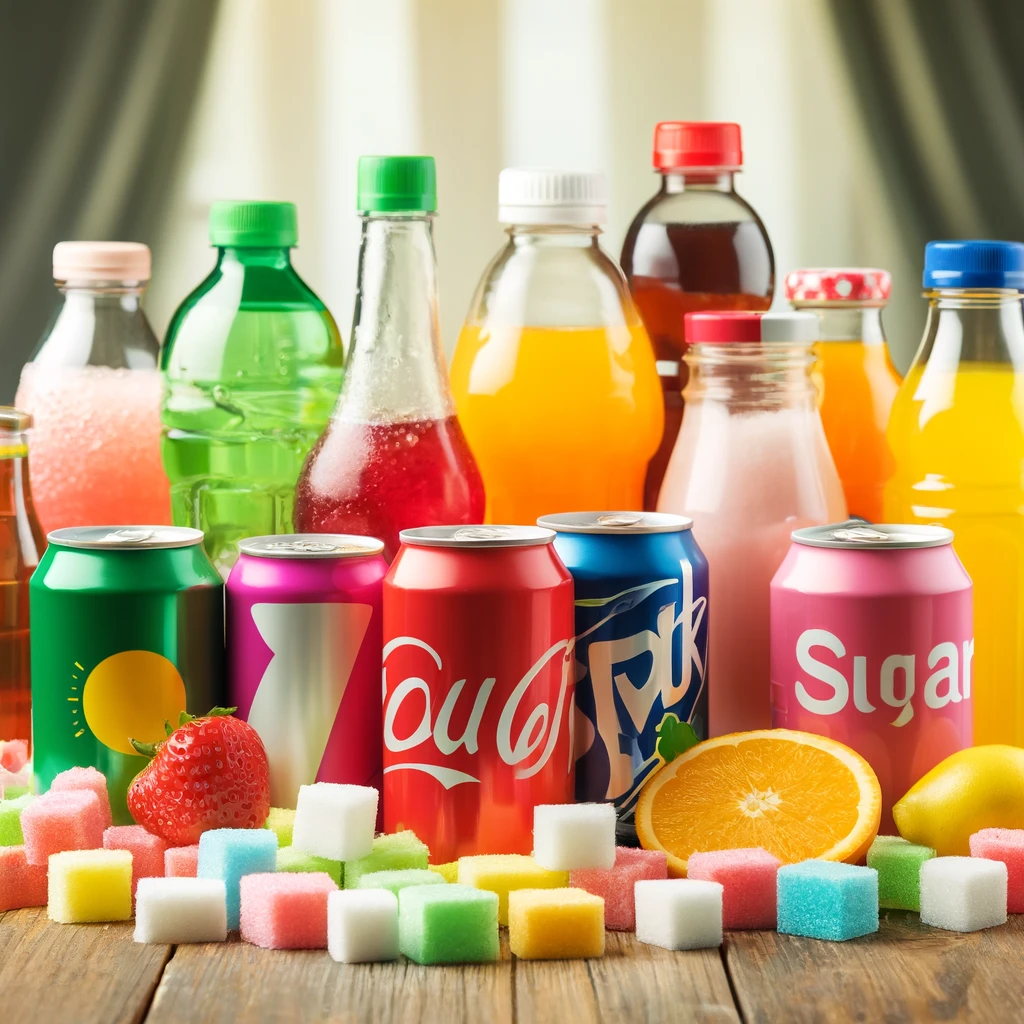
Swap sugary beverages for lemon water, infused water, or homemade buttermilk—refreshing and much better for your health.
4. Read Food Labels
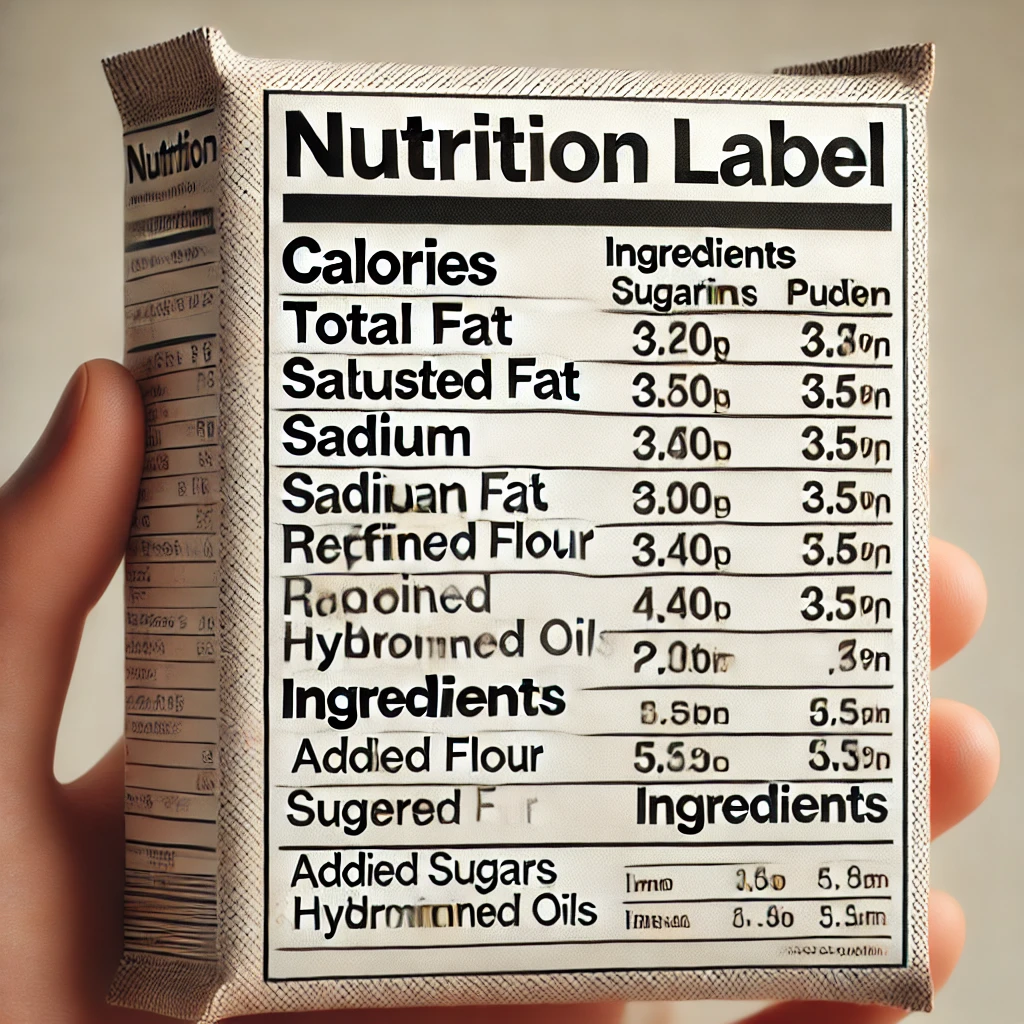
Marketing buzzwords like “low-fat” or “high protein” can be misleading. Always check the ingredient list and nutrition label. Ingredients are listed by quantity, so what’s listed first matters most. Be cautious of added sugars, refined flour (Maida), hydrogenated oils, trans fats, and high sodium content. Regularly reviewing food labels helps you make informed choices and avoid hidden unhealthy ingredients. American Diabetes Association
5. Strength Train (No Gym Required)
Strength training builds lean muscle, boosts metabolism, and strengthens bones. You don’t need machines—bodyweight exercises, resistance bands, or a basic set of dumbbells at home are sufficient. Aim for 3–4 sessions a week. Focus on exercises like squats, lunges, push-ups, pull-ups, chin-ups, and calf raises to build strength and improve body composition. These exercises can be done anywhere, anytime, with numerous tutorials available online.
In addition to these benefits, strength training can also improve posture, enhance aesthetics, boost confidence, increase energy levels, and improve mobility. Strengthening your muscles helps you maintain better posture, look and feel stronger, and carry out daily activities more efficiently. It also supports joint mobility, reducing stiffness, and making you feel more flexible and agile. Human Kinetics

6. Manage Stress Like It Matters (Because It Does)
Chronic stress disrupts hormones, affects the nervous system, impairs sleep, digestion, and promotes fat storage. The body’s stress response involves the hypothalamic-pituitary-adrenal (HPA) axis, leading to the release of cortisol. Prolonged activation of this system can contribute to various health issues, including anxiety, depression, digestive problems, heart disease, sleep disturbances, and weight gain. Mayo Clinic
Take time to unwind—whether it’s journaling, meditation, walking in nature, or deep breathing exercises.

7. Choose Better Ingredients, Not Just “Healthy” Labels
It’s not just about what you eat, but what goes into it. You don’t need to swear off snacks or desserts — just make smarter swaps. Craving sweets? Try homemade, sugar-free treats using stevia or monk fruit — both are natural, low-calorie sweeteners that don’t spike blood sugar the way regular sugar does.
🍪 Craving Sweets? Don’t Cut Them Out — Just Swap Smartly
- Try homemade desserts with stevia or monk fruit instead of white sugar.
- These are natural, zero-calorie sweeteners that don’t spike your blood sugar, unlike regular sugar or even honey and jaggery.
- Example: Make your own protein balls, oats laddoos, or banana pancakes using stevia or monk fruit as the sweetener.
🍿 Skip the Store-Bought Chips. Try This Instead:
- Store-bought chips often contain refined oils, too much salt, and chemical preservatives.
- Instead, try roasted makhana (fox nuts). They are:
- Low in calories
- High in fiber and antioxidants
- A good source of magnesium, which helps manage blood pressure and stress
- Spice them up with a little ghee, salt, turmeric, and black pepper — delicious and guilt-free!
🥤 Want Something Fizzy or Refreshing?
- Soda and sweetened drinks are loaded with added sugars and empty calories.
- Try this instead:
- Fresh lemonade with a pinch of rock salt and stevia
- Infused water (add mint, cucumber, lemon, or berries)
- Sparkling water with a dash of fresh fruit juice (no sugar!)
🧐 Why Avoid “Low-Fat” and “Sugar-Free” Packaged Foods?
- These labels can be misleading. Often:
- Low-fat foods are loaded with added sugar to maintain taste.
- Sugar-free items might use artificial sweeteners like aspartame or sucralose, which aren’t always gut-friendly.
- Many products are still heavily processed and low in nutrients.
✅ Smart Ingredient Swaps You Can Try:
| Instead of | Try This |
|---|---|
| White sugar | Stevia, monk fruit, dates |
| Chips or namkeen | Roasted makhana, chana, or nuts |
| Flavored yogurt | Plain curd + fresh fruit |
| White bread | Multigrain or sourdough |
| Cream biscuits | Homemade oatmeal cookies |
| Sweets like gulab jamun | Dates, jaggery-based homemade laddoos |
| Soda | Lemon water, coconut water, herbal teas |
8. Sleep Well — It’s Free and Powerful
Sleep isn’t just “rest.” It’s when your body actually does the work — repairing muscles, balancing hormones, consolidating memories, and restoring energy.
- Muscle Repair: Growth hormone, released during deep sleep, helps repair and build tissue.
- Hormonal Balance: Sleep regulates cortisol, insulin, ghrelin, and leptin — all of which impact fat storage, hunger, and metabolism.
- Cognitive Function: Sleep deprivation affects mood, decision-making, and focus.

Aim for 7–9 hours of quality sleep per night. Skip late-night scrolling and caffeine past the afternoon. Create a wind-down routine and keep your sleep environment dark, cool, and quiet. Sleep isn’t a luxury — it’s a requirement for good health. Sleep deprivation: Impact on cognitive performance – PMC
9. Eat for Antioxidants
Antioxidants protect your body at the cellular level. Here’s how:
- Free radicals are unstable molecules produced by stress, pollution, and normal metabolism.
- These molecules cause oxidative stress, which damages cells and accelerates aging and disease.
- Antioxidants neutralize free radicals by donating electrons without becoming unstable themselves.
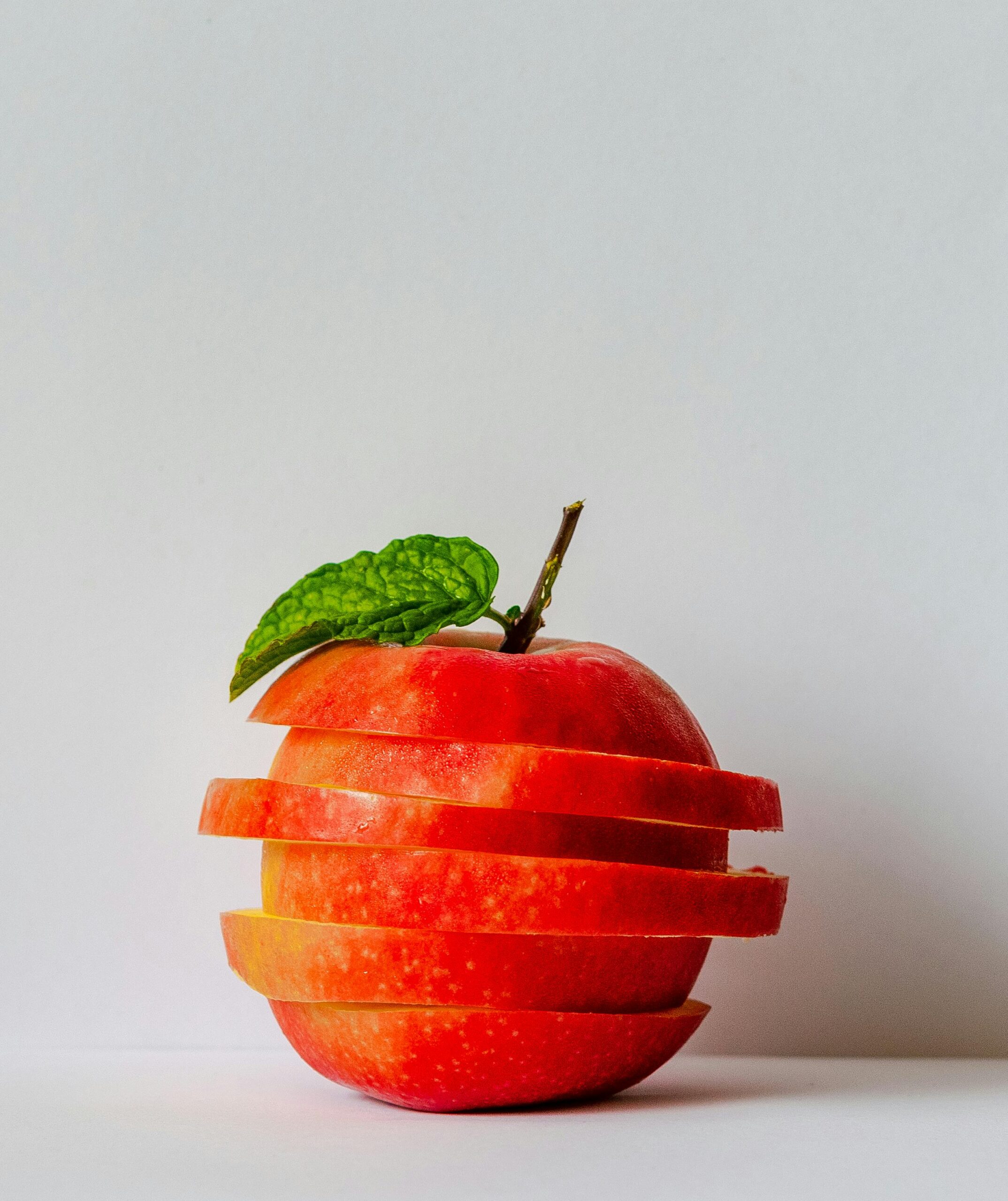
Foods like berries, leafy greens, dark chocolate (in moderation), makhana, and citrus fruits are packed with antioxidants like vitamin C, vitamin E, polyphenols, and flavonoids. Think of them as your body’s internal defense squad — fighting inflammation and protecting your health from the inside out.
Final Thoughts
Getting fit doesn’t mean living in the gym or eating dry salads forever. It means:
- Walking more.
- Focus on protein rich foods
- Reading Labels
- Choosing better ingredients.
- Lifting your own bodyweight.
- Sleeping like it matters.
- Managing stress like your health depends on it — because it does.
- Include Antioxidant rich foods
Consistency wins. Start small. Be patient. Progress builds over time — not overnight.
This is very helpful. Thanks to the author.
Thank you so much! I am glad you found it helpful 😊
Deepesh
This is a good writing
Loved it
Great read! Thank you for these simple yet insightful tips!